Chicken Thighs vs Breast for Fajitas: Which Is Better?
Boneless chicken thighs make juicier, more forgiving, more flavorful fajitas that are hard to overcook, which is why most cooks prefer them. Chicken breast is leaner and higher in protein but dries out fast and needs a thermometer and a careful hand. Choose thighs for flavor and foolproofness; choose breast for a leaner, higher-protein plate — and pull it at 165°F.
Chicken thighs vs breast for fajitas: juiciness, flavor, price, and how to cook each so it stays tender. Which cut of chicken makes better fajitas.
Substitutions
| Instead of | Use | Adjust | Expect | Avoid when |
|---|---|---|---|---|
| chicken breast | chicken thighs | — | Thighs are juicier and more forgiving; expect richer flavor and more fat. | — |
The science
Chicken thighs vs. breast for fajitas
Thigh meat contains more fat and collagen, which melt and lubricate the meat as it cooks, giving you a wide window where the chicken is done but still juicy. That is why thighs shrug off a hot pan. Breast is nearly pure lean muscle, so once its moisture cooks out — right around 165°F — it turns dry and stringy fast, with no fat to mask it. Breast also cooks unevenly because it tapers from thick to thin.
| Feature | Thighs | Breast |
|---|---|---|
| Fat and collagen | Higher — self-basting | Very low |
| Juiciness window | Wide; forgiving of an extra minute | Narrow; dries out just past 165°F |
| Flavor | Richer, more savory | Milder, cleaner |
| Protein per ounce | Lower | Higher |
| Even cooking | Uniform thickness | Tapers — pound it even first |
| Thermometer needed | Helpful | Essential |
| Typical price | Lower | Higher |
| Best for | Flavor and a stress-free cook | Leaner macros, if you watch it |
Both are safe at 165°F. The difference is how much room for error you get.
The call: Fat and collagen give thighs a wide juicy window; lean breast has almost none.
Technique
Cooking each one for fajitas
Slice either cut into strips before or after cooking for the classic fajita format. Thighs: sear hot, cook until well browned and cooked through, and do not worry much about a minute or two extra — the fat protects them. Breast: pound the thick end to an even thickness so it cooks uniformly, sear hot and fast, and pull it at exactly 165°F on an instant-read thermometer, then let carryover finish it. A marinade or a quick brine helps breast hold moisture. For both, slicing across the grain keeps the strips tender, and resting a few minutes before slicing keeps the juices in.
The call: Thighs: cook without fear. Breast: even thickness, hot sear, pull at 165°F, use a thermometer.
Recommended gear
Disclosure: As an Amazon Associate, FajitaRecipe.com earns from qualifying purchases. Recommendations are chosen to help you cook better fajitas; some Amazon links may earn a commission at no extra cost to you. See our selection methodology.
For cast-iron fajitas
 Lodge
LodgeModel L10SK3
A heavy 12-inch Lodge gives two servings of steak enough hot surface to brown without crowding. It is still too small for a six-person batch, which should be seared in rounds.
Best for: Everyday 2–4 serving skillet fajitas with a hard sear.
 Lodge
LodgeModel ASHH11
A cast-iron handle reaches the same temperature as the pan. A slip-on holder is the difference between confidently moving the skillet and dropping it.
Best for: Anyone using a blazing-hot cast-iron or carbon-steel handle.
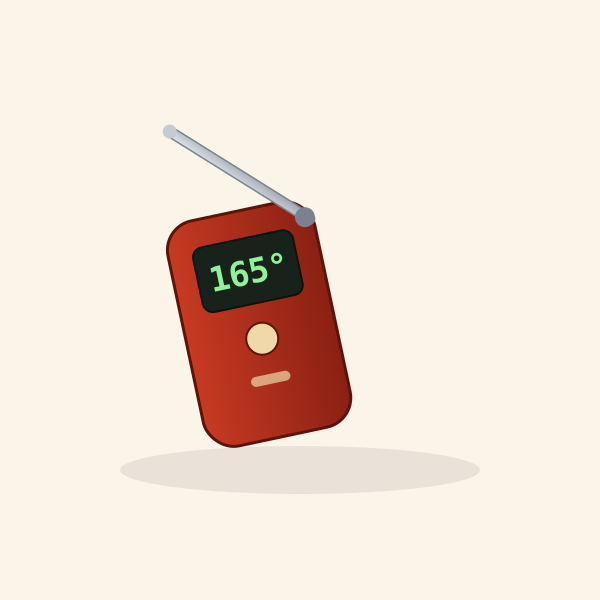 ThermoWorks
Model Thermapen ONE
Thin fajita chicken and steak swing past target in seconds. A one-second read lets you pull chicken at 165°F and steak at your chosen doneness before carryover overshoots.
Best for: A one-second, dependable read on thin proteins.
OXOModel Good Grips 12" Locking Tongs
Twelve-inch tongs keep your hand out of the smoke while you toss peppers and flip strips in a ripping-hot pan.
Best for: Tossing peppers and turning strips over high heat.
Serving & storage
Which to buy
Choose thighs when flavor, juiciness, and a stress-free cook matter most, or when you are feeding a crowd and cannot babysit doneness — they also tend to cost less. Choose breast when you want a leaner, higher-protein meal, a milder flavor, or a specific macro target, and you have a thermometer on hand. Many cooks split the difference and cook both so guests can choose. Whichever you pick, buy pieces of even thickness, season well, and cook hot; the seasoning and the sear matter more to the final fajita than the cut itself.
The call: Flavor and ease → thighs. Lean, high-protein, and you own a thermometer → breast.
Frequently asked questions
+Are chicken thighs or breast better for fajitas?
Thighs are better for most cooks: they stay juicy, taste richer, and are hard to overcook over high heat. Breast is leaner and higher in protein but dries out quickly and needs a thermometer to nail doneness.
+How do you keep chicken breast from drying out in fajitas?
Pound it to an even thickness, marinate or brine it, sear it hot and fast, and pull it at 165°F with an instant-read thermometer. Rest it briefly, then slice across the grain.
+Which is healthier for fajitas, thighs or breast?
Chicken breast is leaner and higher in protein per ounce, so it is the lighter choice. Thighs have more fat and flavor. Both are healthy proteins; the better pick depends on whether you want flavor and ease or leaner macros.
Testing, sources & disclosure
Researched and reviewed by our editors. See our recommendation methodology.
- Author:
- FajitaRecipe Editorial
- Last reviewed:
- 2026-07-11
As an Amazon Associate, FajitaRecipe.com earns from qualifying purchases. We do not provide medical or dietary advice; follow USDA guidance for food safety.
Keep cooking
You might also like
 Pexels contributor · Pexels License
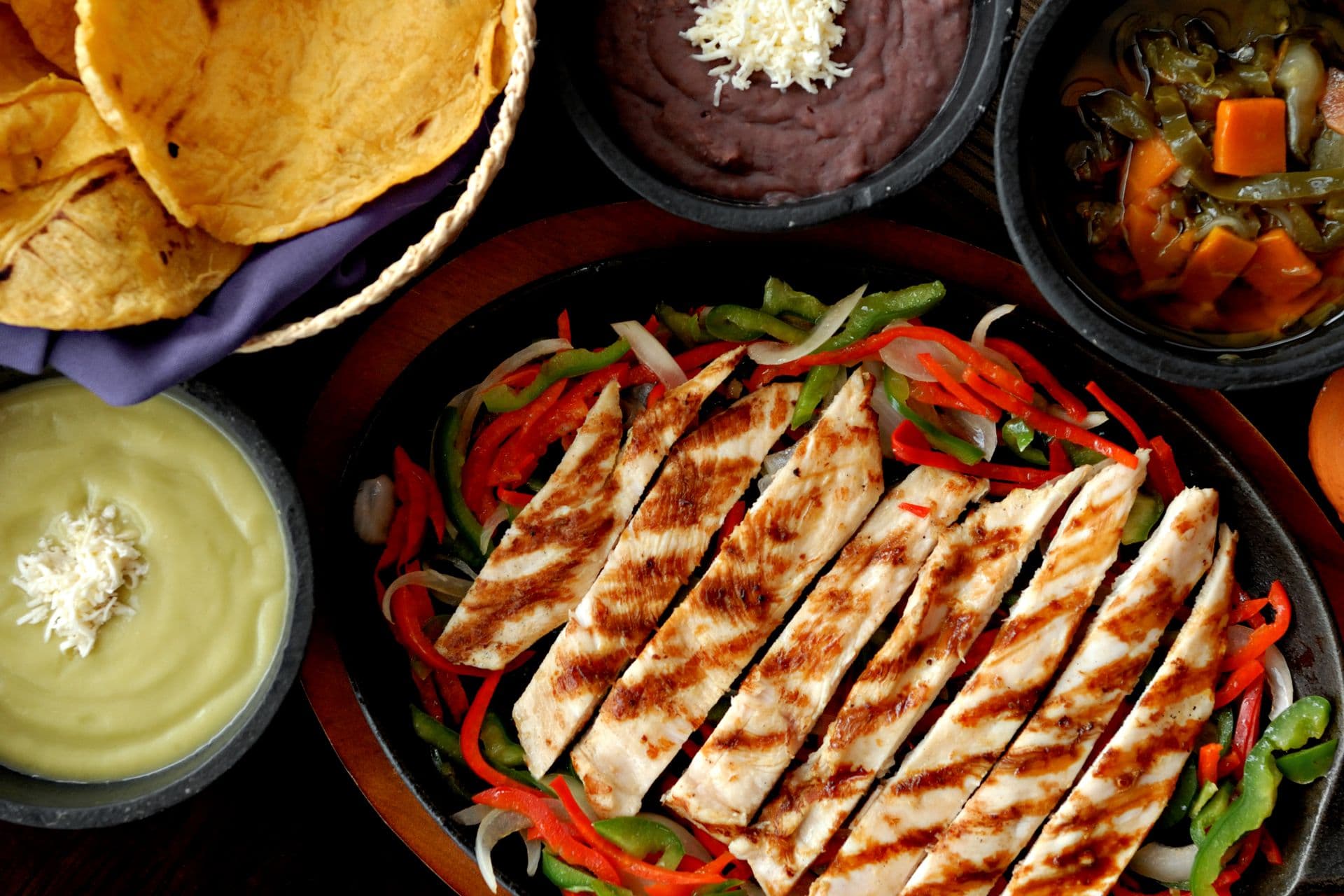
Chicken Thigh Fajitas
35 min · easy
Chicken thigh fajitas lean on the cut that forgives a hot pan: dark meat carries more intramuscular fat and connective tissue than breast, so it stays juicy even a minute or two past 165°F. Sear whole boneless thighs in a screaming-hot cast-iron skillet, rest, then slice against the grain and toss with charred peppers and onion. The wider doneness window is what makes thigh the easier weeknight choice.
 Pexels contributor · Pexels License
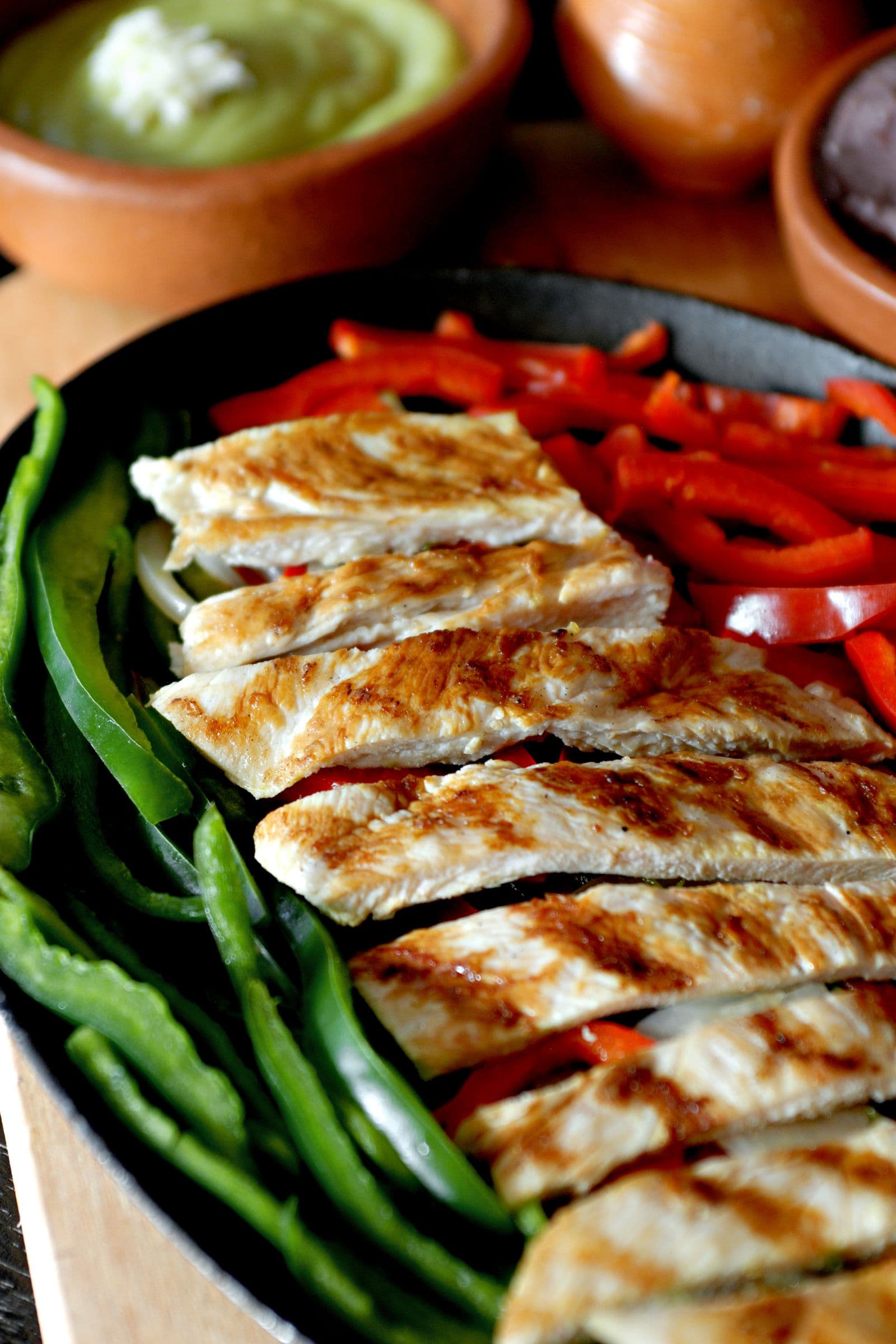
Chicken Breast Fajitas
45 min · moderate
Chicken breast fajitas stay juicy when you fix the two things that dry breast out: uneven thickness and overcooking. Pound the breasts to an even 1/2 inch so the thin end does not finish minutes before the thick end, then sear hot and fast and pull the moment a thermometer reads 165°F. A quick 20-minute saltwater brine adds a further buffer. Slice against the grain and toss with charred peppers for a leaner take on the classic.
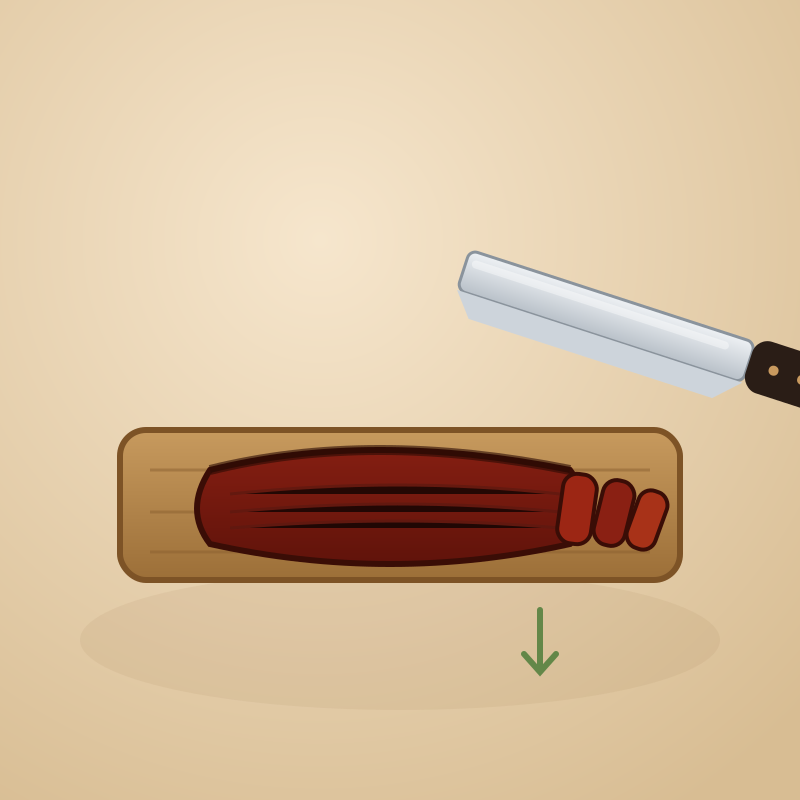
How to Slice Fajita Meat Against the Grain
Slice fajita meat thin and across the grain after it rests. Look at the surface to find the direction the muscle fibers run, then cut straight across them at a slight angle into quarter-inch strips. Cutting against the grain shortens the fibers so each bite is tender. Always slice cooked, rested meat, not raw, and hold your knife low for wide, even pieces.