Sheet Pan vs Skillet Fajitas: Which Should You Make?
Sheet-pan and skillet fajitas answer two different questions. A skillet (especially cast iron) gives the hardest sear and that restaurant-style char, but you cook in batches and babysit the pan. A sheet pan is nearly hands-off and cooks everything at once for a crowd, trading some char for convenience. This guide compares them on flavor, effort, batch size, and cleanup so you can pick the right one for the night.
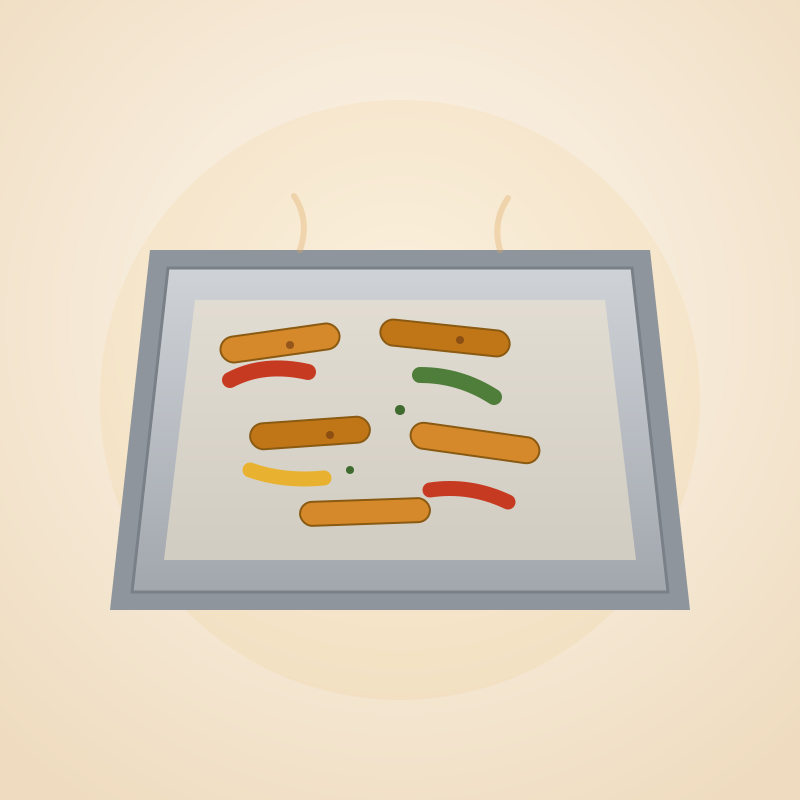
Sheet pan vs skillet fajitas compared on char, effort, batch size, and cleanup — which method to choose for weeknights, crowds, and restaurant-style results.
Technique
Char and flavor
The skillet wins on char, and it is not close. Cast iron holds intense heat, and direct metal-to-meat contact in a dry, uncrowded pan produces the deep browning and blistered edges that define great fajitas. The trade-off is that you must work in batches — crowd the pan and the sear collapses into steam. A sheet pan cooks by roasting: hot oven air browns the surfaces more gently, giving good color and caramelized edges (especially under a brief broil at the end) but not the same hard crust. Spreading everything in a single layer on the pan and finishing under the broiler closes much of the gap.
The call: Skillet gives a hard sear from direct contact; sheet pan roasts more gently but a final broil adds char.
Recommended gear
Disclosure: As an Amazon Associate, FajitaRecipe.com earns from qualifying purchases. Recommendations are chosen to help you cook better fajitas; some Amazon links may earn a commission at no extra cost to you. See our selection methodology.
For sheet-pan fajitas
 Nordic Ware
Model Naturals Baker’s Half Sheet 43100
A sturdy rimmed half-sheet gives chicken and peppers room to roast in a single layer instead of steaming. Thin pans buckle at 425°F and pool juices in the warp.
Best for: Sheet-pan fajitas for 3–4 in a single layer.
 Winco
WincoModel TN719
A thin, flexible turner slides under roasted chicken and peppers that caught on the pan, so you flip them instead of shredding them.
Best for: Lifting and turning sheet-pan pieces without tearing.
 ThermoWorks
Model ThermoPop 2
You do not need a premium thermometer to cook safe chicken. The ThermoPop 2 is accurate and a few seconds slower — a great-value pick from the same maker.
Best for: A reliable read without the premium price.
Effort, batch size, and cleanup
For effort, the sheet pan wins: toss everything with oil and seasoning, spread it out, and let the oven work while you make sides — no batching, no constant stirring. The skillet demands active attention and multiple rounds for more than a few servings, holding the first batch warm while you cook the rest. For a crowd, the sheet pan (or two) scales effortlessly; the skillet does not. Cleanup slightly favors the sheet pan if you line it with foil or parchment, though a well-seasoned cast-iron skillet just needs a wipe. Many cooks keep both: skillet for a quick, high-char dinner for two, sheet pan for feeding a family with minimal fuss.
The call: Sheet pan is lower effort and scales to crowds; skillet is active and batch-limited but easy to wipe clean.
Frequently asked questions
+Are sheet pan or skillet fajitas better?
Skillet fajitas have a harder, more restaurant-style char, while sheet-pan fajitas are more hands-off and feed a crowd in one pass. Choose the skillet for the best sear on small batches and the sheet pan for convenience and larger groups.
+Do sheet pan fajitas get charred?
They get good roasted color rather than a hard sear. Spreading the meat and vegetables in a single uncrowded layer and finishing under the broiler for a couple of minutes gives you charred edges that come close to a skillet.
+Which is easier for a crowd?
The sheet pan. It cooks everything at once with almost no attention and scales to a second pan for a big group, while a skillet forces you to cook in batches and keep the finished portions warm.
Testing, sources & disclosure
Researched and reviewed by our editors. See our recommendation methodology.
- Author:
- FajitaRecipe Editorial
- Last reviewed:
- 2026-07-12
As an Amazon Associate, FajitaRecipe.com earns from qualifying purchases. We do not provide medical or dietary advice; follow USDA guidance for food safety.
Keep cooking
You might also like

How to Cook Fajitas Without Cast Iron
You do not need a cast-iron skillet to make great fajitas. A well-preheated stainless or carbon-steel pan sears beautifully, a sheet pan under a hot oven or broiler chars a big batch hands-off, and a grill delivers real smoke. The one pan to skip is nonstick, which cannot safely take the high heat fajitas want. Match the method to what you own and adjust your expectations for each.
Best Sheet Pan for Fajitas
The best sheet pan for fajitas is a heavy-gauge aluminum half-sheet that resists warping under a hot oven or broiler. A rimmed half-sheet gives a big batch room to roast in one layer; a quarter-sheet suits one or two servings. Skip parchment and silicone mats when you want char — they insulate the food from browning — and reach for a wire rack only if you want drier, more even results.
 Pexels contributor · Pexels License
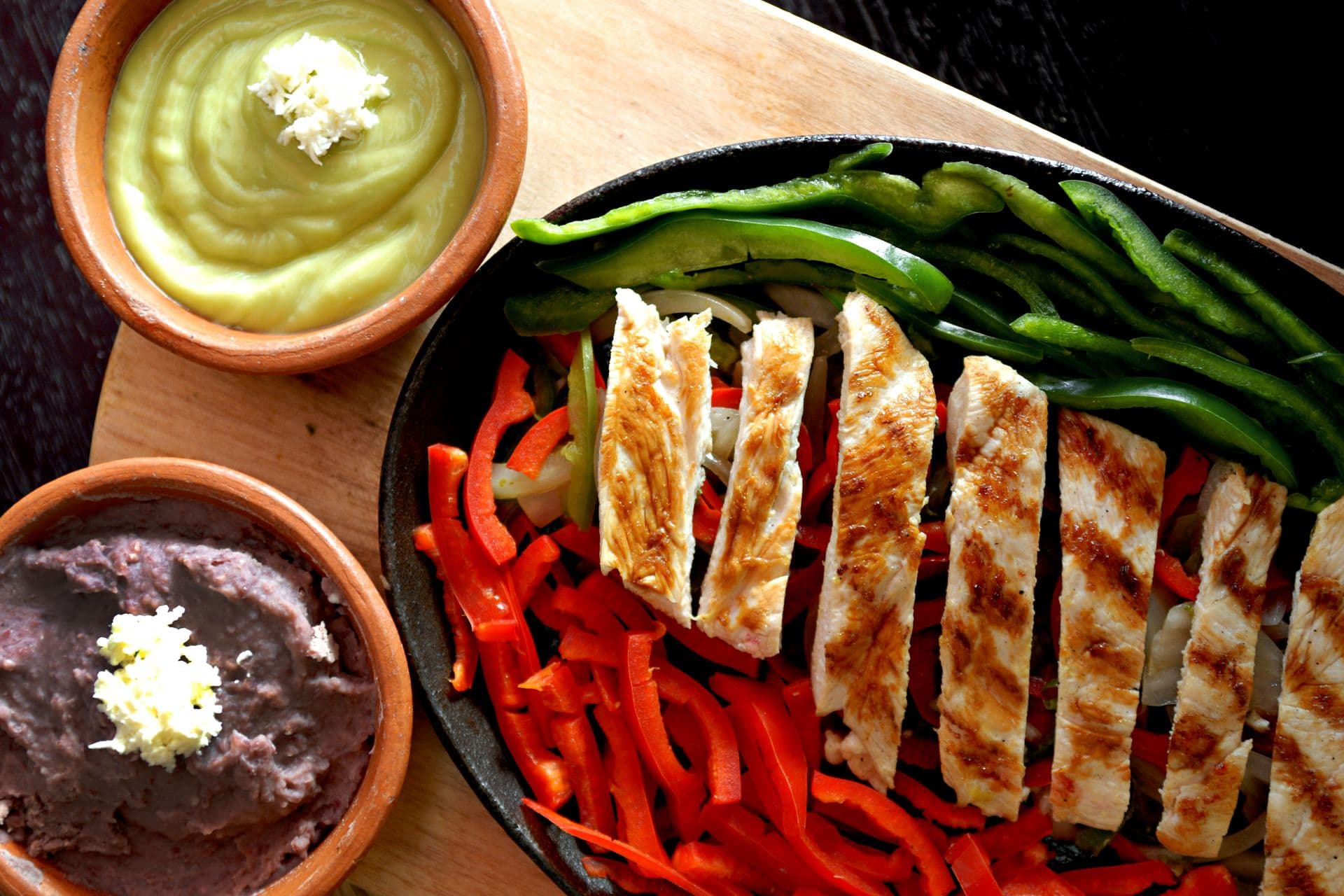
Sheet-Pan Chicken Fajitas
40 min · easy
Sheet-pan chicken fajitas turn the oven into a hands-off cook that needs no standing at the stove. Toss sliced thighs, peppers, and onions with oil and seasoning, spread them in one uncrowded layer on a preheated pan, and roast at 425°F until the chicken hits 165°F and the edges color. One pan in, one pan out, and only a bowl and a knife to wash.