Cast Iron vs Griddle for Fajitas: Which Wins?
A cast-iron skillet gives the most intense, even sear for one or two servings and its thermal mass holds heat when the meat hits, but its small surface forces you to cook a crowd in batches. A flat-top griddle trades a little of that thermal punch for enormous surface area and heat-zone control, so it feeds a party in one pass. Cook for two? Cast iron. Cook for a crowd? Griddle.
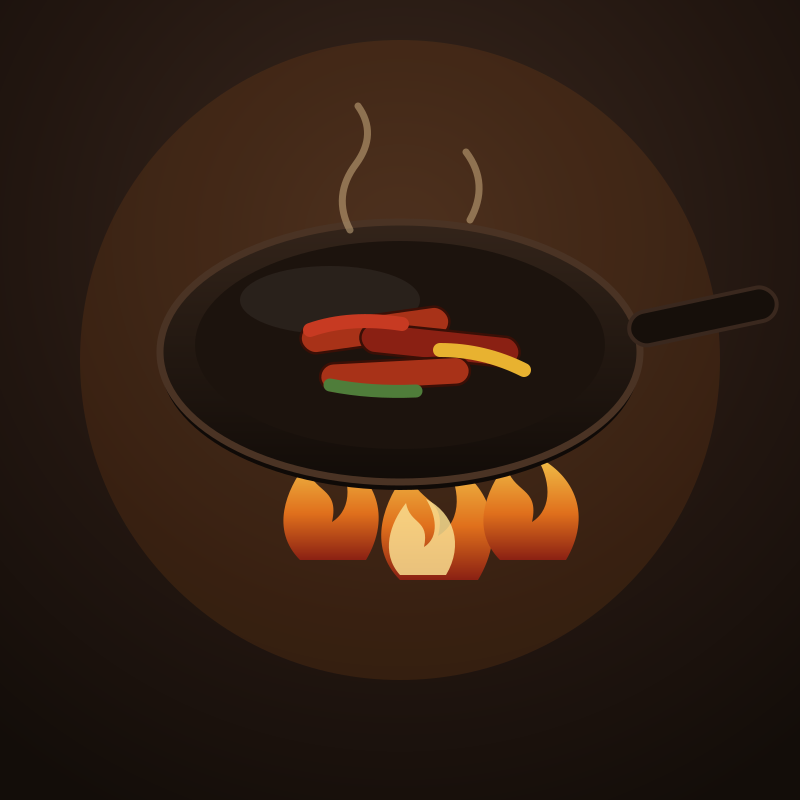
Cast iron vs griddle for fajitas compared on sear, surface area, heat control, and crowd size, so you know which to use for the fajitas you want.
Substitutions
| Instead of | Use | Adjust | Expect | Avoid when |
|---|---|---|---|---|
| flat-top griddle | a cast-iron griddle plate over two burners or a grill | — | Less surface than a full flat top, but the same searing behavior at home scale. | — |
The science
Thermal mass vs surface area
Cast iron’s thickness stores a lot of heat, so when you drop in cold, wet meat the pan barely dips in temperature and keeps searing — that is why it delivers the deepest crust. Its limitation is size: a small, heavy surface that crowds fast. A griddle is thinner, so it recovers heat a touch more slowly per square inch, but it makes up for it with sheer area — nothing crowds, and you run a screaming-hot searing zone next to a medium holding zone with tortillas warming off to the side. The griddle also cooks outdoors, keeping the smoke and heat out of the kitchen for a big cook. For sear intensity per bite, cast iron edges it; for volume and control, the griddle wins.
The call: Cast iron stores more heat per inch (deepest crust); a griddle wins on total area and zone control.
Technique
And the hybrid that beats both
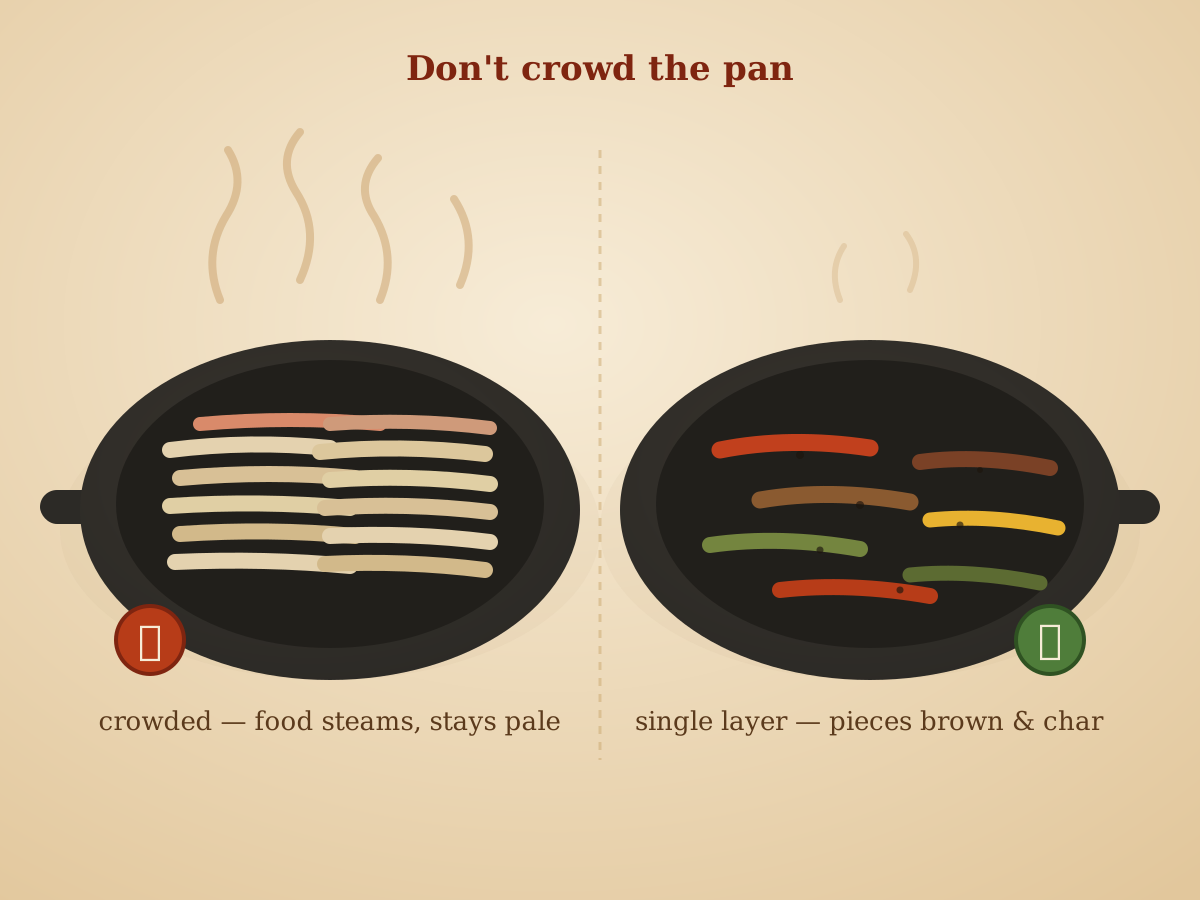
You do not have to choose forever. For most home cooks, a big cast-iron skillet handles everyday fajitas and a griddle comes out for parties. And there is a hybrid: set a cast-iron skillet or a cast-iron griddle plate on top of the flat top or a grill, and you get cast iron’s crust with the griddle’s live-fire heat and room. Whatever the surface, the fajita rules do not change — preheat hard, use a thin film of high-smoke-point oil, cook the protein and vegetables in separate batches so nothing steams, and slice the meat thin across the grain. The tool changes the scale, not the technique.
The call: Own both and choose by headcount; or set cast iron on the griddle for crust plus room.
Recommended gear
Disclosure: As an Amazon Associate, FajitaRecipe.com earns from qualifying purchases. Recommendations are chosen to help you cook better fajitas; some Amazon links may earn a commission at no extra cost to you. See our selection methodology.
For cast-iron fajitas
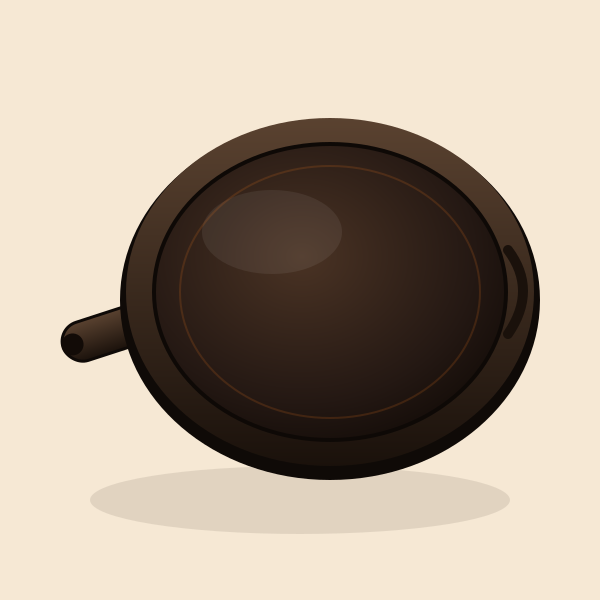 Lodge
LodgeModel L10SK3
A heavy 12-inch Lodge gives two servings of steak enough hot surface to brown without crowding. It is still too small for a six-person batch, which should be seared in rounds.
Best for: Everyday 2–4 serving skillet fajitas with a hard sear.
 Lodge
LodgeModel ASHH11
A cast-iron handle reaches the same temperature as the pan. A slip-on holder is the difference between confidently moving the skillet and dropping it.
Best for: Anyone using a blazing-hot cast-iron or carbon-steel handle.
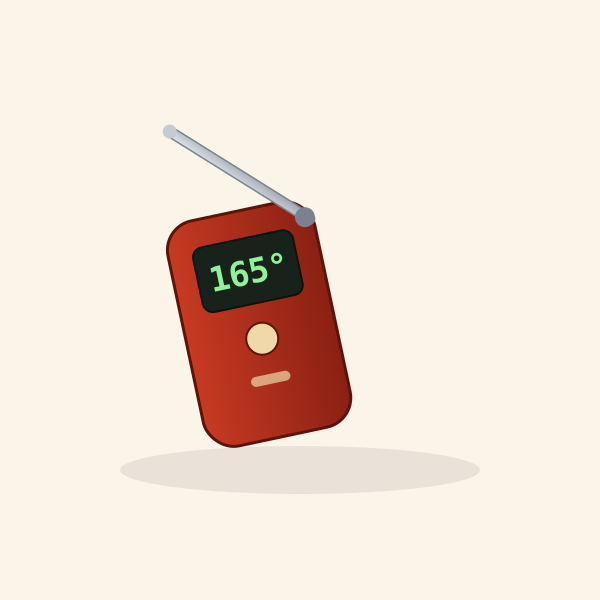 ThermoWorks
Model Thermapen ONE
Thin fajita chicken and steak swing past target in seconds. A one-second read lets you pull chicken at 165°F and steak at your chosen doneness before carryover overshoots.
Best for: A one-second, dependable read on thin proteins.
OXOModel Good Grips 12" Locking Tongs
Twelve-inch tongs keep your hand out of the smoke while you toss peppers and flip strips in a ripping-hot pan.
Best for: Tossing peppers and turning strips over high heat.
Frequently asked questions
+Is cast iron or a griddle better for fajitas?
Cast iron gives the most intense, even sear for one or two servings; a griddle’s large surface and heat zones feed a crowd without batching. Choose cast iron for small cooks and a griddle for parties.
+Can you get a good sear on a griddle?
Yes. A flat-top griddle sears fajita meat very well — preheat it hard, use a thin film of oil, and do not crowd it. Cast iron edges it slightly on crust per bite thanks to more thermal mass, but the griddle wins on volume.
+Can you use cast iron on a griddle?
Yes, and it is a great hybrid — a cast-iron skillet or plate on a flat top or grill combines cast iron’s crust with the griddle’s room and live-fire heat.
Testing, sources & disclosure
Researched and reviewed by our editors. See our recommendation methodology.
- Author:
- FajitaRecipe Editorial
- Last reviewed:
- 2026-07-12
As an Amazon Associate, FajitaRecipe.com earns from qualifying purchases. We do not provide medical or dietary advice; follow USDA guidance for food safety.
Keep cooking
You might also like
Griddle Fajitas: The Blackstone & Flat-Top Method
A flat-top griddle like a Blackstone is arguably the best fajita cooker there is: acres of screaming-hot surface let you sear meat and char vegetables in single layers with no crowding and no steaming. Set up two heat zones, cook the meat and vegetables separately on high, keep everything moving with a wide spatula, and warm the tortillas right on the flat top. It is the closest thing to a restaurant fajita line at home.
Cast Iron vs Grill for Fajitas: Which Makes Better Fajitas?
Cast iron gives the deep, even, restaurant-style sear that defines skillet fajitas and lets you cook the peppers and onions in the same pan; the grill adds live-fire smoke and char but the strips can fall through the grates and the vegetables need a basket. Choose cast iron for control and that classic sizzling-platter crust, and the grill for smoky flavor and cooking outdoors for a crowd.
Best Cast Iron Skillet for Fajitas
For fajitas, the best cast-iron skillet is a heavy 12-inch pan with a helper handle: big enough to sear a batch without crowding, but still liftable. A 10-inch is fine for two people, while a 15-inch or a large flat griddle suits crowds if you can heft it. Nearly all modern cast iron comes pre-seasoned, so surface finish matters less than size and weight.