Blackstone Shrimp Fajitas: Fast, Charred Shrimp on the Flat Top
Shrimp are the fastest fajita protein on a Blackstone: on a screaming-hot flat top they char and cook through in two to three minutes flat, so the whole game is high heat, a dry surface, and pulling them the instant they turn opaque. This guide covers the zone setup, how to keep shrimp from overcooking, and how to time them with the peppers and onions so everything lands together.
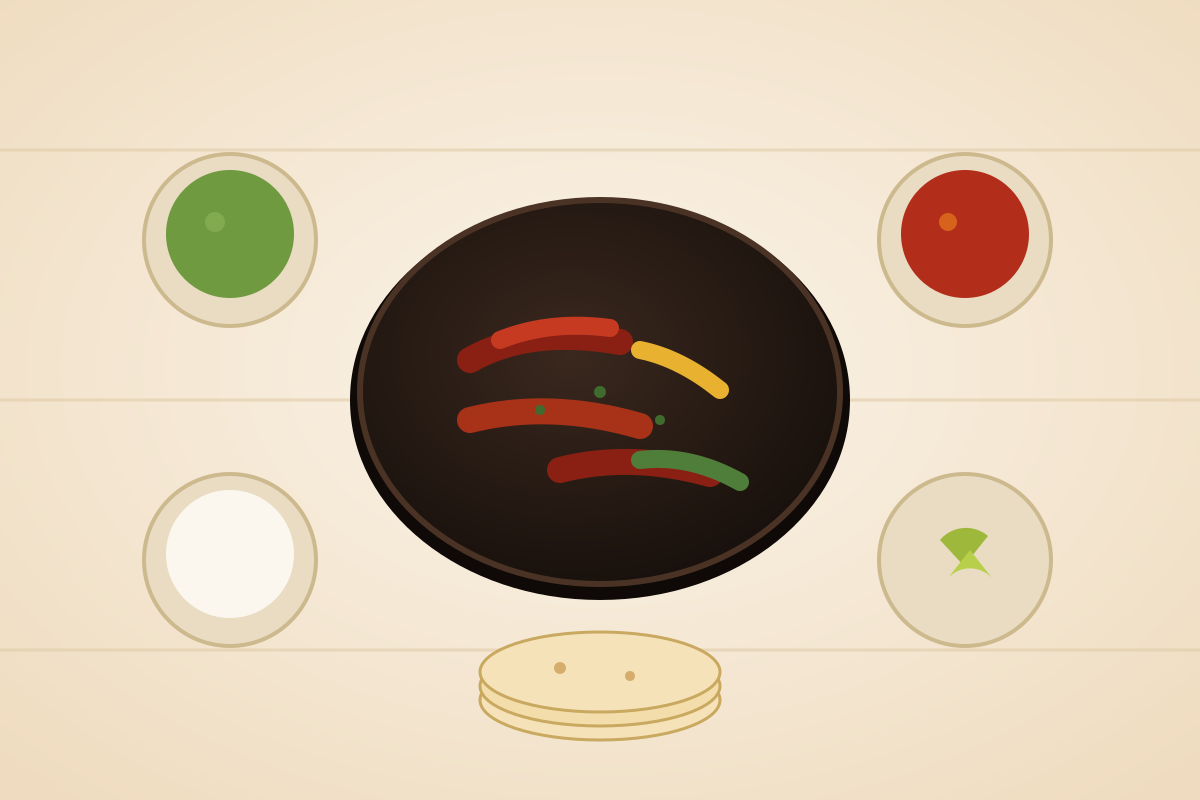
How to make shrimp fajitas on a Blackstone griddle: high heat, timing, and how to pull the shrimp before they turn rubbery for fast, charred flat-top shrimp fajitas.
Substitutions
| Instead of | Use | Adjust | Expect | Avoid when |
|---|---|---|---|---|
| fresh shrimp | frozen shrimp, fully thawed and patted dry | — | Frozen shrimp work just as well; surface water must be dried off or they steam instead of charring. | — |
Technique
Timing and cook order
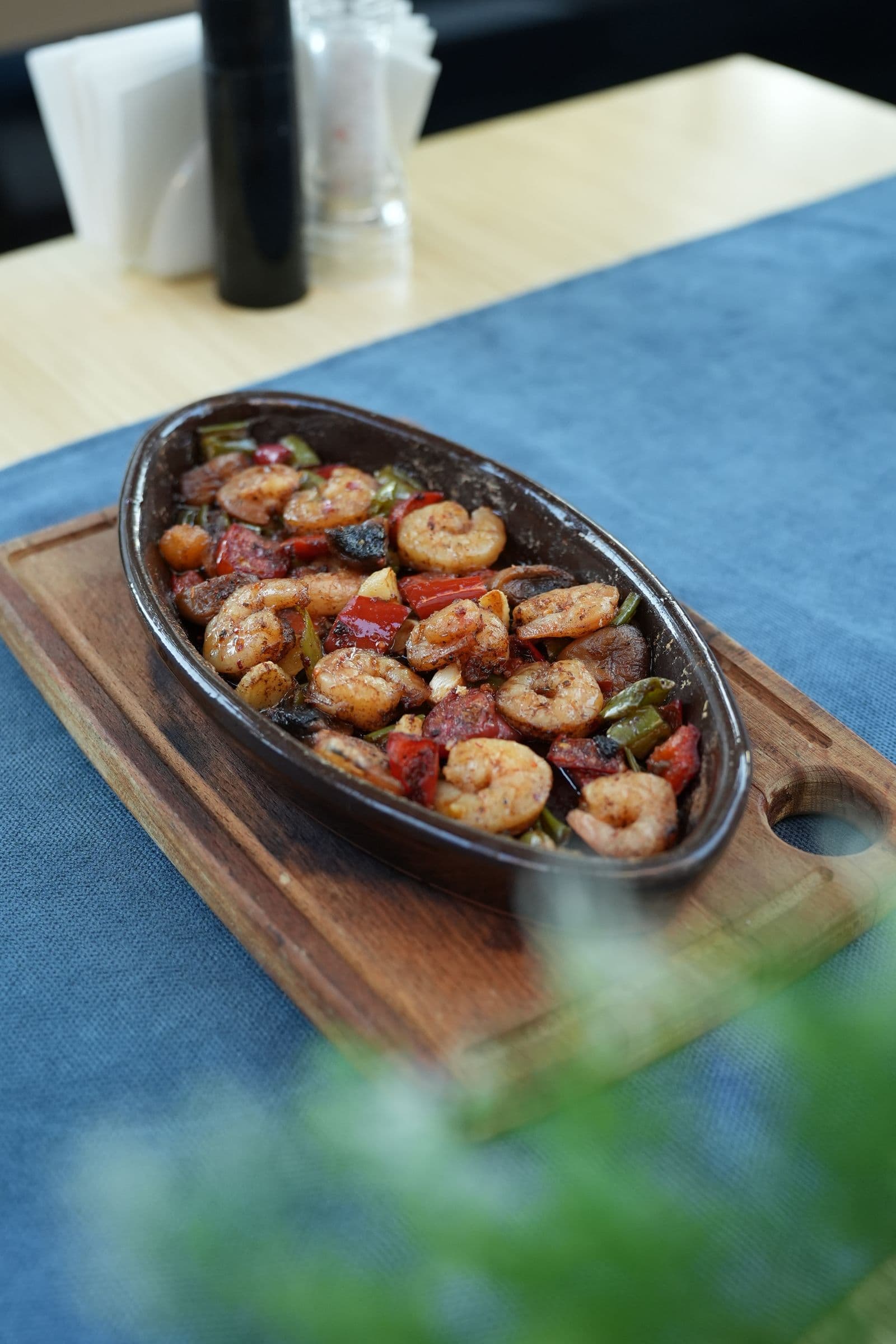
Preheat a high searing zone and a medium holding zone. Pat the shrimp very dry and toss them with oil and seasoning just before cooking. Char the peppers and onions first on the high zone and slide them to the medium zone to hold. Oil the hot zone, spread the shrimp in a single layer, and leave them thirty to sixty seconds to sear before flipping; they are done about a minute after the flip, when they have curled into a loose C and turned opaque. A tight O shape means they are overcooked. Combine with the vegetables, finish with lime and cilantro, and serve immediately off warm tortillas.
The call: Char vegetables first, then sear dried shrimp on the hot zone 30–60 seconds per side; a loose C means done, a tight O means overcooked.
Recommended gear
Disclosure: As an Amazon Associate, FajitaRecipe.com earns from qualifying purchases. Recommendations are chosen to help you cook better fajitas; some Amazon links may earn a commission at no extra cost to you. See our selection methodology.
For grilled fajitas
 OXO
OXOModel Good Grips 16" Grilling Tongs
Sixteen-inch tongs keep your forearm out of grill-flare range while you turn skirt steak over direct heat.
Best for: Turning steak and chicken over live fire.
WeberModel 7681
A basket keeps pepper strips from falling through the grate while still letting them pick up direct-fire char — just do not overfill it.
Best for: Grilling sliced peppers and onions without losing them through the grate.
 ThermoWorks
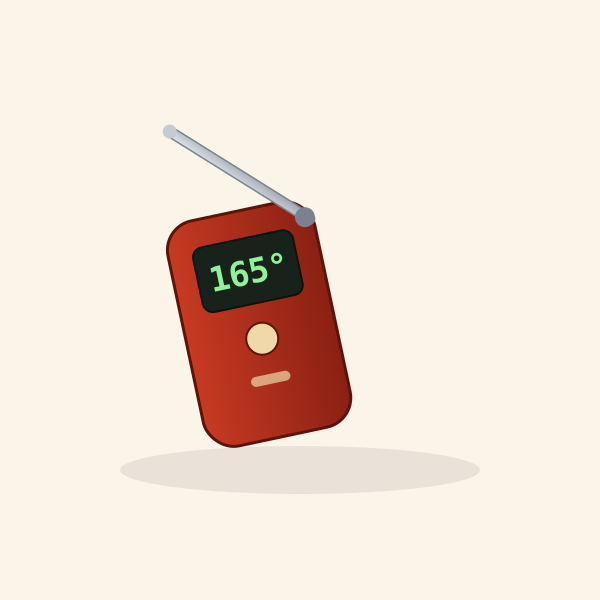
Model ThermoPop 2
You do not need a premium thermometer to cook safe chicken. The ThermoPop 2 is accurate and a few seconds slower — a great-value pick from the same maker.
Best for: A reliable read without the premium price.
 John Boos
Model RA03 (24 x 18 in)
A roomy board with a juice groove lets steak rest and be sliced in one place; pour the caught juices back over the strips before serving.
Best for: Resting and slicing steak with room to spare.
Fresh vs frozen and avoiding rubber
Frozen shrimp are perfectly good — thaw them fully in cold water, then pat them bone-dry, because surface water steams instead of searing and is the enemy of char. Buy peeled, deveined, tail-off shrimp for easy fajitas; large (31/40) or extra-large (26/30) hold up best to high heat without cooking through too fast. The single biggest mistake is leaving them on too long "to be safe" — shrimp go from tender to rubbery in seconds, so trust the color and pull them early, since they carry over a little off the heat. If you are cooking a big batch, work in quick waves so the griddle stays hot and no shrimp sit waiting.
The call: Thaw and dry frozen shrimp; use large or extra-large; pull early to avoid rubber and cook big batches in quick waves.
Frequently asked questions
+How do you make shrimp fajitas on a Blackstone?
Char the peppers and onions first and hold them, then sear dried, seasoned shrimp on the hottest zone for about 30 to 60 seconds a side. Pull them the instant they curl into a loose C and turn opaque, combine with the vegetables, and finish with lime.
+How long do shrimp take on a griddle?
Only two to three minutes total on a hot flat top — about 30 to 60 seconds per side. They are done when they curl into a loose C and turn pink and opaque. A tight O shape means they are overcooked.
+Can you cook frozen shrimp on a Blackstone for fajitas?
Yes. Thaw them fully in cold water first, then pat them very dry — surface water steams and prevents char. Peeled, deveined large or extra-large shrimp are easiest and hold up best to the high heat.
Testing, sources & disclosure
Researched and reviewed by our editors. See our recommendation methodology.
- Author:
- FajitaRecipe Editorial
- Last reviewed:
- 2026-07-12
As an Amazon Associate, FajitaRecipe.com earns from qualifying purchases. We do not provide medical or dietary advice; follow USDA guidance for food safety.
Keep cooking
You might also like
Griddle Fajitas: The Blackstone & Flat-Top Method
A flat-top griddle like a Blackstone is arguably the best fajita cooker there is: acres of screaming-hot surface let you sear meat and char vegetables in single layers with no crowding and no steaming. Set up two heat zones, cook the meat and vegetables separately on high, keep everything moving with a wide spatula, and warm the tortillas right on the flat top. It is the closest thing to a restaurant fajita line at home.
Blackstone Chicken Fajitas: Juicy Chicken on the Flat Top
A Blackstone or flat-top griddle makes some of the best chicken fajitas there is: the huge surface sears the chicken in a single layer with no crowding and chars the peppers and onions alongside it. Preheat one zone screaming hot, oil it, cook boneless thighs or evenly pounded breast until 165°F, and slide everything together with warm tortillas off to the side.
 Pexels contributor · Pexels License
Shrimp Fajitas
25 min · easy
Shrimp fajitas come together in about fifteen minutes because shrimp cook in just two to three. Char the peppers and onions first, then sear the shrimp in a hot skillet only until they turn opaque and curl into a loose C. Skip the long marinade — citrus acid will start to firm and cloud raw shrimp on the counter. Toss with lime and pile into warm tortillas.